
For brides who appreciate the elegance of bygone eras, there is something truly enchanting about donning a dress that harkens back to another time. From the opulent Victorian era to the carefree flapper style of the 1920s, these classic designs are sure to make any bride feel like a true vintage beauty on her special day. So, if you’re a bride-to-be seeking that perfect blend of old-world charm and modern allure, join us as we explore some exquisite options for your dream wedding gown.
Victorian-Inspired Gowns
Characterized by intricate lace detailing, voluminous skirts, and high necklines, Victorian-inspired wedding dresses exude elegance and femininity. The silhouette typically features a fitted bodice that accentuates the waist before flaring out into a full skirt adorned with ruffles or layers of tulle.
The ball gown, reminiscent of the grandeur of royal weddings during Queen Victoria’s reign, is one of the most popular options this year. This dramatic design showcases cascading layers of luxurious fabric and delicate embellishments such as embroidery or beading. To add an extra touch of authenticity to your Victorian look, consider accessorizing with long gloves and a stunning tiara.
Roaring Twenties Flapper Dresses
The Roaring Twenties was an era of glamour and excitement, where women embraced their newfound freedom with bold fashion choices. Flapper wedding dresses Sydney quickly became the epitome of this carefree spirit, characterized by their loose and straight silhouettes that allowed for unrestricted movement on the dance floor.
These iconic dresses were typically made from luxurious fabrics such as silk or chiffon and adorned with intricate beadwork and fringe details. The dropped waistline accentuated the hips while creating a youthful and boyish figure. Short hemlines showcased daringly exposed legs, challenging societal norms of modesty.
1950s Tea-Length Dresses

The 1950s was a time of elegance and femininity, and when it comes to wedding dresses, the tea-length style perfectly captures that vintage charm. Tea-length dresses are characterized by their hemline, which falls somewhere between the knee and the ankle. This length allows for easy movement while still maintaining a sophisticated look.
One of the iconic features of 1950s tea-length dresses is their full skirts. These voluminous skirts create a sense of playfulness and whimsy, making them perfect for twirling on the dance floor or capturing stunning photos as you walk down the aisle. Another defining characteristic of these dresses is their fitted bodices.
Regency-Era Silhouettes
One of the key features of Regency-era dresses is the emphasis on simplicity and fluidity. The gowns were designed to enhance a woman’s natural beauty, with soft draping that accentuated her figure without being overly restrictive. Fabrics like muslin and silk were commonly used, adding to the ethereal quality of these dresses.
The high waistline was another defining characteristic of Regency-era fashion. This feature created an elongated silhouette and drew attention to the wearer’s slender frame. Paired with a square neckline or delicate lace detailing, it added a touch of femininity and sophistication.
Edwardian-Inspired Lace Gowns
Edwardian-inspired lace gowns exude an air of ethereal beauty. Delicate lace overlays create intricate patterns that add depth and texture to the gown. From high necklines adorned with lace collars to long sleeves featuring exquisite lace detailing, these gowns capture the essence of old-world charm. The silhouette of an Edwardian-inspired gown typically features a fitted bodice that accentuates the waistline before flowing into a full skirt. This style flatters all body types, giving brides a romantic and feminine look on their special day. To complete the ensemble, accessories such as pearl necklaces or delicate headpieces can be added.
Vintage elegance never goes out of style, and for the classic bride looking to add a touch of timeless charm to her wedding day, these time-tested styles are perfect choices. Whether you’re inspired by Victorian opulence, 1920s glamour, 1950s nostalgia, Regency-era romance, or Edwardian lace perfection, there’s a vintage gown waiting to make your dreams come true.…
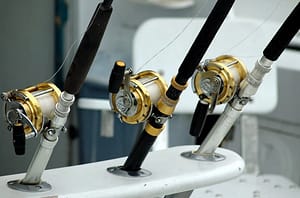 The second most important piece of equipment is the reel. This is what you use to catch the fish. There are only two types of reels: baitcasting and spinning. Baitcasting reels are best suited for experienced fishermen while spinning reels are better for beginners. It is important to choose the right type of reel for the type of fishing you plan on doing. Reels can be either manual or automatic. Many people usually use automatic reels, but manual reels are becoming more popular.
 It is not a must you own a guitar. Instead, you can borrow from your friend to kick-start your guitar playing career. However, it is paramount that you purchase yours. It does not matter whether it is a new guitar or a used one. It is recommended to have your acoustic guitar. There are several things to take into account when buying a used guitar. Some of the factors to consider include action, sound, condition of fret board, alignment of neck, and size.
 As you probably know, chords are quite important for different guitar songs. If you are a beginner, you should know these three basic chords: G, C, and D. They help you to play easy songs on your guitar. The framing chords need practice so that they can build up the memory in the hands and strength in the muscles. After learning different chord shapes, you should start learning how to strum. Rhythm, coordination, and timing are useful techniques that require consistent practice. Moreover, shifting between every chord is quite important for beginners to master.