
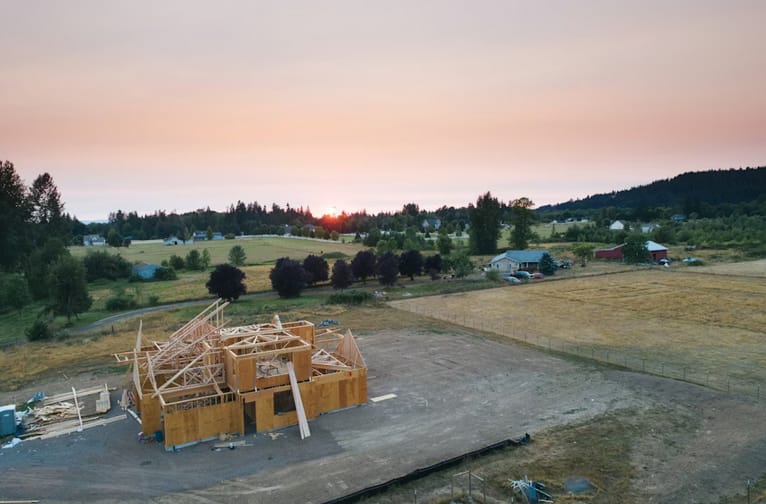
Before the first brick is laid or concrete is poured, the condition of the ground beneath a construction site plays a decisive role in the success of any home build. Soil testing helps determine whether the land can safely support a structure and how it will behave under load and weather changes. Many construction issues traced back to foundations begin with assumptions about soil quality rather than verified data. By assessing soil composition, strength, and drainage ability early on, builders and homeowners can avoid costly surprises. Soil testing provides clarity, supports smarter design decisions, and lays the groundwork for a stable, long-lasting home.
Understanding Soil Composition and Load Capacity
Soil testing reveals the type and structure of soil present on a site, which directly affects how much weight it can support. Clay, sand, silt, and gravel each respond differently to changes in pressure and moisture. Some soils expand when wet, while others compress easily under load. Knowing these characteristics helps engineers design foundations that safely distribute weight. Without this information, homes risk uneven settling or cracking over time. Testing gives builders the data needed to match foundation depth and materials to actual ground conditions, reducing structural risks from the very start.
Preventing Foundation and Structural Problems
Many foundation failures stem from soil issues that could have been identified before construction began. Soil testing helps detect risks such as poor drainage, excessive shrinkage, or unstable layers beneath the surface. These factors can lead to shifting foundations, wall cracks, or uneven floors years later. By identifying potential problems early, builders can adjust foundation designs or reinforce weak areas. This proactive approach saves time, money, and stress compared to repairing structural damage after construction. Soil testing acts as an early warning system that protects the integrity of the entire home.
Supporting Drainage and Moisture Management
Proper drainage is essential for maintaining a stable foundation, and soil testing plays a key role in understanding how water moves through the ground. Some soils retain moisture, while others allow rapid water flow. Testing helps determine whether additional drainage solutions are needed around the foundation. Poor moisture control can weaken soil strength and increase pressure on foundation walls. With accurate soil data, builders can plan grading, drainage systems, and waterproofing methods that work with the land’s natural properties rather than against them.
Improving Construction Planning and Costs
Soil testing contributes to more accurate construction planning and budgeting. When soil conditions are known, builders can avoid unexpected design changes during construction. This reduces delays and helps prevent budget overruns caused by last-minute foundation modifications. Clear soil data also supports smoother communication between engineers, contractors, and inspectors. Investing in soil testing upfront often leads to overall cost savings by minimizing future repairs and ensuring the build progresses efficiently. It provides confidence that construction decisions are based on facts, not assumptions.
Soil testing is a critical step in home construction that supports safety, durability, and long-term value. By understanding soil composition, load capacity, drainage behavior, and potential risks, builders can design foundations that stand the test of time. Skipping this step may save money initially, but it often leads to far greater costs later. Soil testing ensures that a home is built on a reliable base, reducing structural problems and supporting a smoother construction process. A strong home begins with solid ground, and soil testing makes that possible.